

Understanding Common Metrology Equipment
Metrology, often referred to as the science of measurement, is a cornerstone of industries ranging from aerospace and manufacturing to healthcare and environmental science. Whether you’re calibrating precision instruments to support spacecraft navigation or measuring material tolerances for medical devices, metrology ensures that we can trust the numbers behind critical decisions. For engineers, technicians, and scientists working with measurement systems, having access to reliable equipment and continuously expanding one’s technical knowledge is essential.
Common Metrology Equipment and Their Applications
Metrology equipment is designed to ensure that measurements are consistent, accurate, and traceable to recognized standards. Here are some commonly used categories and their importance in day-to-day applications:
1. Calipers and Micrometers
- Applications: Dimensional measurements of internal/external diameters, lengths, and depths.
- Why It’s Important: These tools provide high precision for smaller-scale components (e.g., machine parts, medical implants). A digital micrometer, for instance, can measure down to microns, ensuring manufactured parts meet stringent design specifications.
2. Coordinate Measuring Machines (CMMs)
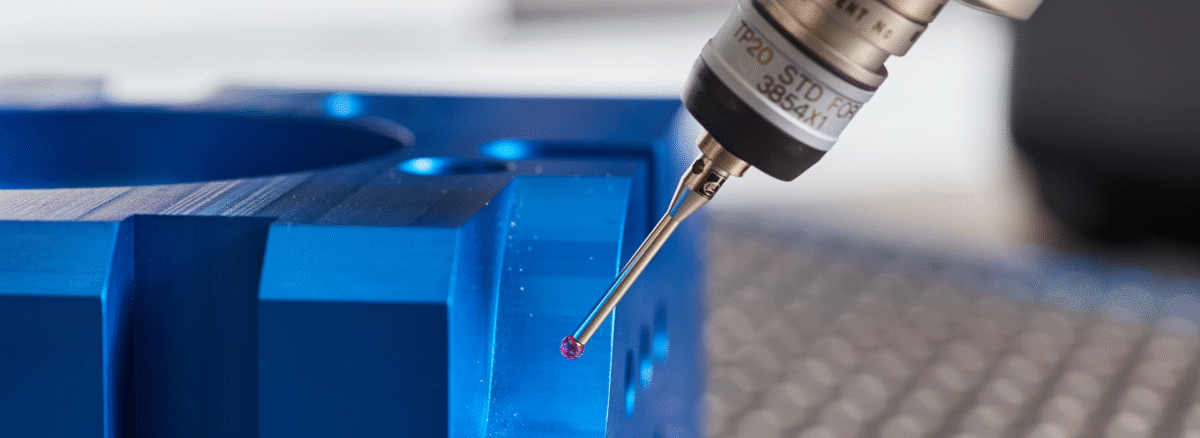
- Applications: Measuring the geometry of physical objects by sensing discrete points on surfaces.
- Why It’s Important: CMMs are critical in quality assurance and reverse engineering. They are used in industries like aerospace or automotive to verify that parts match CAD models with tight tolerances.
3. Laser Trackers and 3D Scanners
- Applications: Gathering dimensional data for large-scale objects or assemblies.
- Why It’s Important: These non-contact methods are ideal for measuring large machinery, aircraft components, and tooling systems while reducing operator-induced measurement errors.
4. Surface Roughness Testers and Profilometers
- Applications: Evaluating surface texture, including roughness, waviness, and symmetry.
- Why It’s Important: Surface finish can impact everything from aerodynamic performance to product longevity. Profilometers help ensure products meet functional and visual specifications.
5. Force, Torque, and Pressure Instruments
- Applications: Measuring physical forces or ensuring the integrity of systems that apply torque or sustain pressure (e.g., hydraulic systems).
- Why It’s Important: Such measurements are crucial for testing performance in vehicles, machinery, or biomedical devices.
6. Temperature and Environmental Sensors
- Applications: Calibration of environmental conditions (e.g., temperature, humidity, pressure).
- Why It’s Important: This equipment ensures that environmental conditions comply with standards during measurements, especially in climate-sensitive industries like pharmaceuticals or electronic devices.
7. Mass Balance Scales and Weight Standards
- Applications: Measuring and calibrating mass values against traceable weight standards.
- Why It’s Important: Mass metrology is used in fields ranging from chemical formulation to commerce. The accuracy of these instruments ensures fairness in trade and precision in scientific research.
8. Time and Frequency Standards
- Applications: Calibrating timing systems, from atomic clocks to high-speed circuits.
- Why It’s Important: Accurate timing is essential for telecommunications, navigation (e.g., GPS systems), and other real-time operations.
Each tool has its unique applications and advantages, making them indispensable in the field of precision measurement. Technology in metrology continues to evolve in response to rising industry demands for tighter tolerances, faster production cycles, and more sustainable practices. Events like MSC don’t just showcase these advancements—they foster conversations on how to implement them effectively while addressing challenges like skills gaps and the need for international harmonization.
Attendees at MSC benefit by staying ahead of the curve, learning about emerging hardware and software tools, and engaging with cross-disciplinary applications of measurement science. From advancements in AI-driven measurements to the adoption of quantum techniques, metrology professionals are shaping the future of precision in science and industry.